
Learning how to microdose LSD has become increasingly popular among people seeking small, manageable support for focus, creativity, mood, and daily clarity. The core idea is straightforward: taking a tiny, sub-perceptual amount from a trusted LSD category without aiming for hallucinations or a full psychedelic trip.
Think of it as a low-level approach people discuss for daily cognitive support rather than an intense experience. Advocates describe better attention, brighter ideas, and enhanced emotional awareness. Because research is still catching up with personal accounts, this guide breaks down how people microdose LSD, what current science says, and the essential safety considerations to know.
What Is LSD Microdosing?
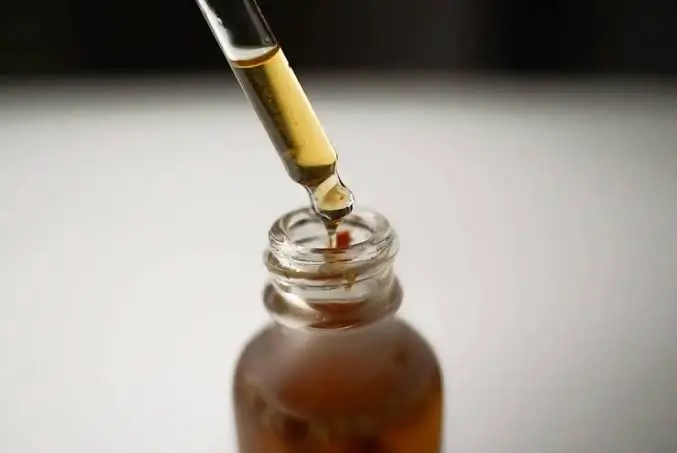
LSD microdosing means taking a very small amount of lysergic acid diethylamide (LSD). In simple terms, the goal is subtle cognitive or emotional support—not a trip. People are not aiming for vivid hallucinations, loss of control, or an intense high. Instead, they look for light changes in focus, mood, creativity, or self-awareness while going through a normal workday.
In psychedelic discussions, a microdose is commonly defined as a small fraction of a full psychoactive dose—typically 5% to 10% of the amount linked with stronger psychedelic effects. This is why researchers and practitioners call it “sub-perceptual” or “sub-hallucinogenic.”
How LSD Interacts with the Brain
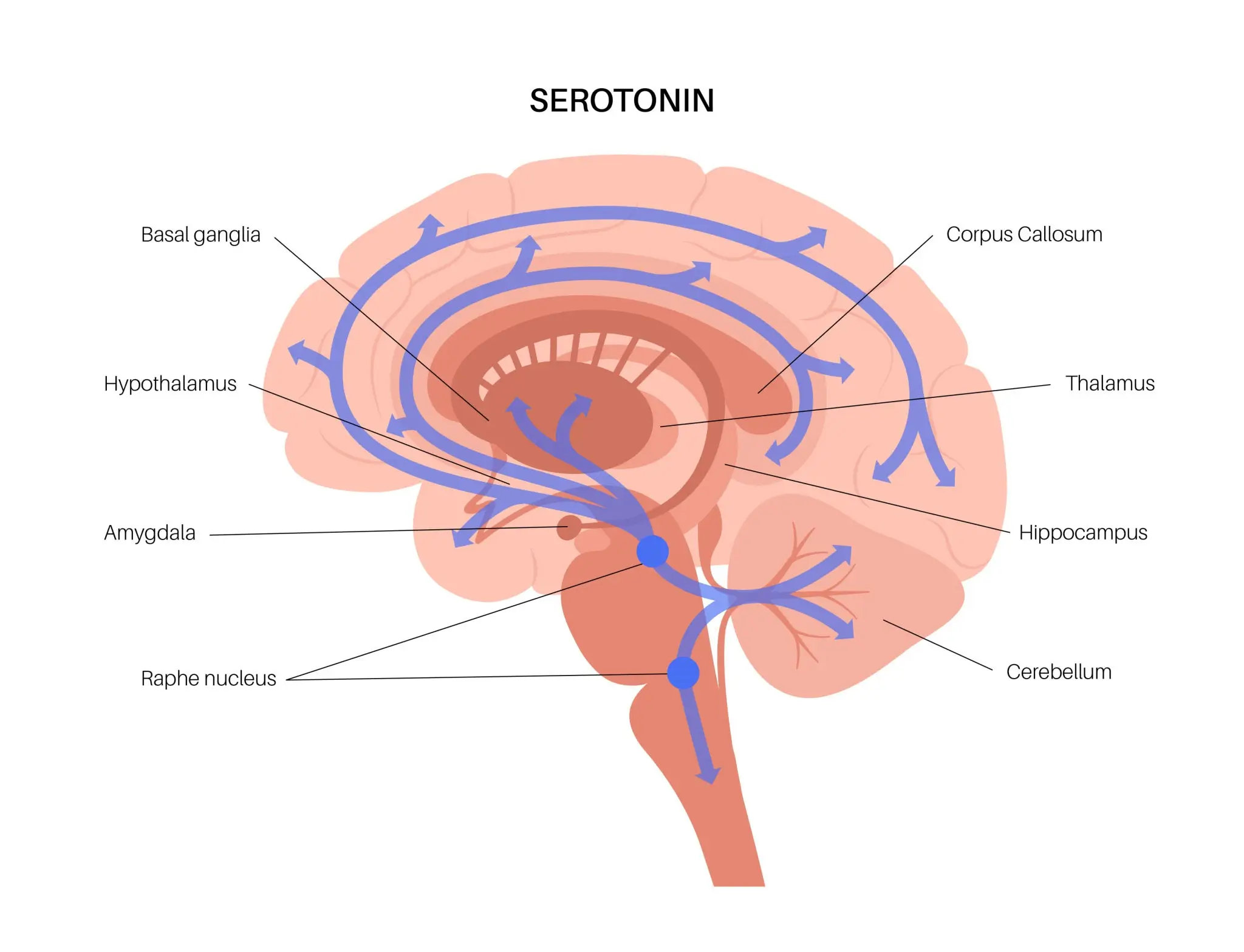
LSD works mainly through serotonin systems in the brain. Serotonin is a key neurotransmitter linked with mood, sleep, emotion, and sensory perception. Psychedelics like LSD specifically act on serotonin 5-HT2A receptors, which are closely tied to cognitive flexibility and perceptual changes.
Key Takeaway: Personal stories are not the same as clinical proof. While an individual may report better focus after microdosing, controlled scientific studies often show a much smaller effect or no clear benefit beyond placebo.
How to Microdose LSD: Standard Methods & Protocols
People who discuss microdosing LSD generally focus on three fundamental principles. These concepts are shared strictly for educational context rather than personal instructions.
1. Small, Sub-Perceptual Dosing
The primary goal is avoiding a full psychedelic trip. Users aim for an amount that causes zero sensory distortions or hallucinations, allowing them to carry out daily tasks normally. Whether using liquid solutions or measured LSD blotter tabs, a responsible guide avoids giving exact dosage numbers, as individual sensitivity varies significantly based on body chemistry, mental history, and health background.
2. Spaced-Out Schedules & Tolerance Management
Microdosing is discussed as an occasional practice, not a daily routine. Spacing days between doses is critical because LSD tolerance builds rapidly. When tolerance develops, the same amount yields significantly reduced effects. Checking an LSD FAQ guide can help address common questions regarding tolerance and scheduling.
3. Tracking Daily Changes
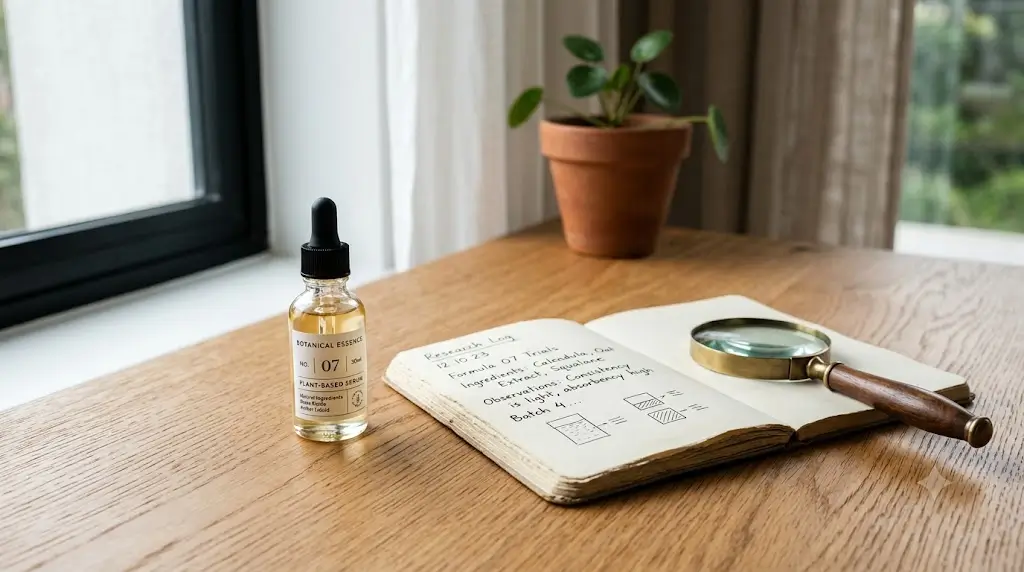
People exploring microdosing often maintain a detailed journal to record:
- Daily mood and emotional shifts
- Sleep quality and energy levels
- Focus and productivity outputs
- Restlessness or anxiety spikes
Tracking helps isolate actual changes from outside influences like stress, diet, or workplace dynamics.
Why People Are Interested in Microdosing LSD
The growing interest in LSD microdosing stems from several common daily goals:
| Goal Area | What People Seek |
|---|---|
| Creativity | Fresh perspectives for problem-solving, writing, and artistic work. |
| Mood Support | Emotional balance during stressful or demanding periods. |
| Self-Awareness | Deeper insight into personal habits, thought loops, and emotional reactions. |
| Focus | Sustained attention and cognitive flow without the burnout of stimulants. |
Potential Benefits People Report
Personal reports around microdosing are diverse. Depending on the individual and setting, commonly reported subjective benefits include:
- Enhanced creative thinking during work or creative projects
- Slightly elevated mood during ordinary daily tasks
- Reduced social anxiety in specific personal accounts
- Increased interest in healthy self-care habits
- Greater emotional openness during personal reflection
- Subtle sensory appreciation for music or nature
Note: Reported benefits are subjective and not guaranteed outcomes. A positive experience reported online does not ensure the same result for everyone.
What Research Says So Far
While interest in psychedelic science is accelerating, clinical findings on microdosing remain mixed.
A study highlighted by University of Chicago Medicine found that controlled LSD microdosing did not produce clear therapeutic benefits over placebo. Specifically, the study showed no statistically significant improvements in mood or cognitive performance during clinical testing.
This contrast between anecdotal reports and laboratory data highlights the power of the placebo effect and expectations. Controlled research helps separate real pharmacological benefits from expectation, ensuring public health conversations remain grounded in evidence.
Mental Wellness, Risks, and Safety
Mental health history requires careful attention when evaluating any psychedelic substance. Conditions such as anxiety, depression, trauma, bipolar disorder, and personal or family history of psychosis carry significant risks.
Furthermore, interactions between LSD and prescription medications (such as SSRIs, lithium, or MAOIs) can lead to unpredictable or adverse reactions. Consulting a qualified healthcare professional is essential prior to engaging with any mind-altering substance.
Personal Safety Questions to Consider
- What is your personal and family mental health history?
- Are you currently taking any prescription medications?
- Do you fully understand the legal status of controlled substances in your jurisdiction?
- Are you relying on peer anecdotal claims rather than peer-reviewed medical science?
Common Myths About LSD Microdosing
- Myth 1: “It works the same for everyone.”
Fact: Biological responses vary widely. Sleep, stress, baseline neurochemistry, and mindset drastically alter outcomes. - Myth 2: “It is completely risk-free.”
Fact: LSD can trigger anxiety, increased heart rate, sleep disruption, or psychological distress in sensitive individuals. - Myth 3: “Its benefits are scientifically proven.”
Fact: Clinical trials show mixed results, with many benefits indistinguishable from placebo effects. - Myth 4: “Microdosing is legal everywhere.”
Fact: LSD remains a strictly controlled substance in most countries unless authorized for clinical research.
Frequently Asked Questions (FAQs)
Can microdosing LSD improve creativity?
Some individuals report freer idea flow and creative problem-solving. However, controlled scientific trials have not reliably confirmed consistent creativity boosts across participants.
Can microdosing help with anxiety or depression?
While some anecdotal reports describe mood improvements, clinical trials show mixed results. Anyone managing clinical depression or anxiety should seek evidence-based medical care rather than self-medicating.
Is microdosing LSD legal?
In most jurisdictions, LSD is a controlled substance. Possession, purchase, or distribution without explicit government authorization or clinical trial oversight carries legal penalties.
Conclusion: Education First
Microdosing LSD remains a compelling topic at the intersection of productivity, mental health, and modern neuroscience. Curiosity is natural, but moving from curiosity to understanding requires relying on scientific evidence rather than internet trends. Prioritize legal awareness, consult medical professionals, and evaluate all claims with critical thinking.